Entrepreneurs spend careers learning to win in the room: read the table, adjust the pitch, and close the terms. Public-private health ventures reward almost none of that, because the meetings that look decisive are checkpoints rather than contests. What a founder brings through the door has settled most of it.
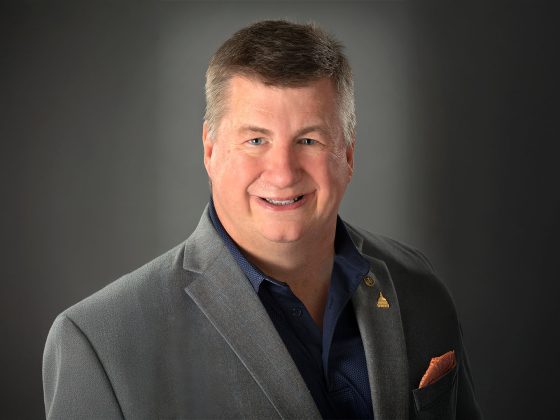
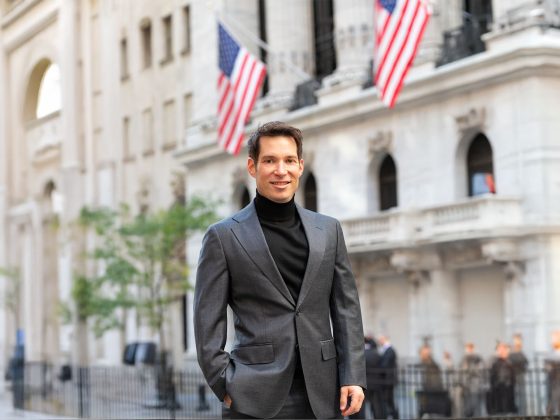
Frederic Scheer, Chief Executive Officer and Co-Founder of ALERCELL, an AI-powered molecular diagnostics company working on earlier detection of leukemia and non-small cell lung cancer, has built companies across biotech, sustainability, and finance over 30 years. He has raised more than $150 million at Cereplast and taken it to a NASDAQ listing.
Define the Outcome Before the Partnership Exists
Public partners care about lives, timelines, and cost per patient. Private partners need a business that survives its own board. A founder who arrives with those interests unreconciled will spend the negotiation trading one against the other and end up with a venture calibrated to the midpoint.
“Lead with the health outcome, not the partnership,” Scheer says. At ALERCELL, the work starts with two questions: “How much earlier can we detect this cancer?” and “What does that mean for the patient?” A good answer produces both interests at once, since earlier detection is the public health gain and the commercial product in the same breath. Nothing remains to trade. The negotiation that other ventures conduct across a table has resolved itself by its own definition.
Earn the Second Meeting Years in Advance
Public institutions stake their reputation on the ventures they back. The person who vouches for a partner internally spends credibility that cannot easily be recovered, and Scheer treats the data burden that creates as unconditional. “Rigor is what earns you the second meeting,” he says.
He acted on that after the exits rather than before them. Having already raised nine figures and taken a company public, Scheer completed advanced study at Harvard Medical School in genetics and precision oncology, and at MIT in AI for healthcare, because he wanted to sit across from clinicians and regulators as a peer. A founder cannot acquire that standing during an evaluation. Clinicians assess the science with the training they have, and the founder either follows the conversation or listens to a decision being made about them.
Determine the Tenth Site Before the First One Opens
A pilot that works in one hospital and stops there helps very few people. Scheer has watched the pattern repeat well outside diagnostics, through the Share Foundation’s work on food security and economic empowerment across Africa. “Design your model so the tenth site is easier than the first one,” he says. Whether that holds depends on choices a founder makes long before a second site exists, in how the model handles local variation and what it assumes about the conditions around it. A venture that grows harder with each deployment was never a model. It was a demonstration that worked once, and the public partner who funded it, expecting reach, has received something considerably narrower than expected.
Purpose, rigor, and scale are the formula Scheer names. Each one is finished before the moment it gets tested, which is the part founders trained to perform in meetings tend to learn late. To learn more, connect with Frederic Scheer on LinkedIn.