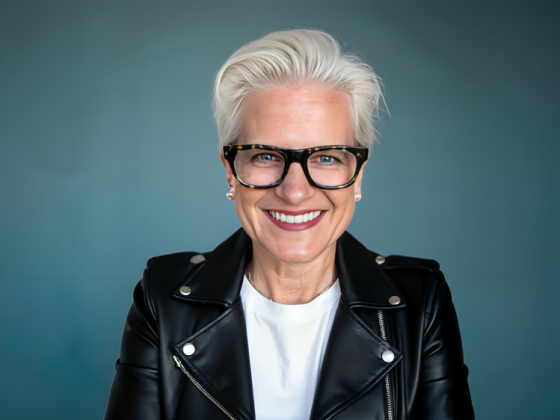
Luxury hospitality is evolving beyond beautiful accommodations and exceptional service. Today’s most compelling destinations are designed around something more meaningful: the ability to bring hospitality, lifestyle, culture, and experience together in one cohesive environment. That philosophy is central to High Life Resort & Spa, a proposed luxury hospitality and residential development in Negril, Jamaica. For Kristyl Nelson, Chief Operating Officer of Kindah Enterprises, the parent company of Kindah Capital Group, High Life represents an opportunity to approach hospitality development from both an operational and investment perspective, with thoughtful design, differentiated experiences, and long-term asset performance considered together from the beginning.
A Different Approach to Luxury Hospitality
Negril, Jamaica, has long been recognized for its natural beauty, distinctive coastline, and relaxed Caribbean character. Its appeal lies not only in its beaches and sunsets, but also in the culture, hospitality, and sense of place that have made it one of Jamaica’s most recognizable destinations. High Life Resort & Spa is being envisioned as an integrated luxury development that builds on those qualities, while introducing a more expansive hospitality offering. Rather than developing a collection of independent properties, the vision brings together complementary hospitality concepts, luxury residences, wellness amenities, dining, and entertainment within a coordinated master plan. Each component is intended to have its own identity, while contributing to a larger resort experience. The objective is simple: to offer a place where guests can enjoy a variety of amenities without sacrificing the consistency, convenience, and personal attention associated with exceptional luxury hospitality.
Creating One Seamless Destination
What distinguishes an integrated resort from a traditional hotel development is not simply the number of amenities it offers. It is how those amenities work together. At High Life, the development concept is designed around the relationship between accommodations, dining, wellness, recreation, and shared gathering spaces. A guest might begin the morning overlooking the Caribbean Sea, spend the afternoon enjoying wellness or recreational facilities, and conclude the evening at a signature restaurant – all within one seamlessly connected destination. The goal is to deliver variety without fragmentation. This approach requires coordination between master planning, architecture, operations, and hospitality programming long before a resort welcomes its first guest.
For Nelson, whose career began in hands-on hospitality operations in Jamaica, these considerations are fundamental. “A beautiful property may attract a guest, but the experience is what determines whether they return. The real work is making sure every part of the resort operates as one.” That operational perspective informs how High Life is being approached, with attention to the practical systems and service standards required to support its broader vision.
Two Hospitality Concepts, One Integrated Vision
High Life’s development concept brings together two complementary hospitality offerings within a broader resort and residential location. The proposed program encompasses approximately 330 hotel and residential keys, with accommodations and amenities designed to serve different guest preferences, while benefiting from shared infrastructure and a coordinated strategy. This structure creates opportunities for distinct hospitality offerings to coexist within one master-planned environment. For guests, this can mean greater choice and a more varied offering. For the development, it creates an opportunity to consider infrastructure, service delivery, amenities, and operating efficiencies across the destination rather than treating each component as an entirely separate asset. That distinction matters because a successful resort development must do more than look compelling on paper. It must also function effectively as a business.
Why This Opportunity?
The High Life opportunity begins with its location and the scale of the proposed development. Positioned in Negril’s West End, the site encompasses approximately 65 acres and an estimated 1,800 feet of waterfront frontage, providing a substantial land position for a coordinated hospitality and residential resort. A land position of this scale, in an established tourism market such as Negril, is increasingly difficult to replicate. That creates an opportunity to think beyond a single hotel and consider the long-term potential of a larger destination. The value of this approach lies in the ability to align several complementary elements:
- Location: A recognizable Caribbean tourism destination with an established international identity.
- Scale: A substantial land position capable of supporting a coordinated master plan.
- Differentiation: Multiple hospitality and lifestyle experiences designed around one location.
- Operational integration: Opportunities to coordinate infrastructure, amenities, and service delivery.
- Long-term positioning: A development strategy that considers the guest experience alongside the underlying real estate.
These characteristics do not eliminate the challenges of hospitality development. Successful execution still depends on market demand, financing, design, development costs, and operational performance. They do, however, provide the foundation for a differentiated investment and development opportunity.
Where Guest Experience Meets Asset Value
From an investment perspective, seamless hospitality is more than a design ambition. It can influence how guests experience a property, how amenities are utilized, and how efficiently the development operates. Purposefully positioned restaurants, shared facilities, complementary accommodations, and coordinated services can contribute to a more compelling guest offering, while creating opportunities for operational efficiencies. That relationship between experience and performance is particularly important in destination-scale developments. For Nelson, it reflects a broader philosophy developed through years of building and operating businesses: the quality of an investment is ultimately connected to the quality of its execution. A compelling concept must be supported by disciplined planning, capable teams, sound financial assumptions, and an operating model that can deliver on its promises. This is where hospitality expertise becomes especially valuable in real estate development. Understanding how a property will function after construction can help shape better decisions before construction begins.
Designing With Negril in Mind
Although High Life is being developed with an international luxury audience in mind, its identity is intended to remain closely connected to Jamaica. Negril’s natural landscape, cultural heritage, and distinctive atmosphere are central to the resort’s positioning. The development vision places importance on delivering contemporary luxury without losing the character that makes the location special. That includes opportunities to celebrate Jamaican craftsmanship, culinary traditions, design influences, and local talent. For Nelson, the objective is not to develop a resort that could exist anywhere in the world. It is to develop a destination that feels unmistakably connected to Negril, while meeting the expectations of a sophisticated international traveler. The most memorable guest stays often achieve that balance: global standards of comfort and service, combined with an authentic sense of place.
Building for the Long Term
High Life Resort & Spa also reflects the broader approach to development and investment pursued through Kindah Enterprises and its private investment platform, Kindah Capital Group. The emphasis is on identifying opportunities where real estate, operating businesses, and well-considered capital strategies can work together to create lasting value. For Nelson, the project brings together several disciplines that have shaped her career: hospitality operations, business development, real estate, and investment strategy. The challenge is not simply to envision an exceptional location. It is to develop the operational and financial foundation required to bring that vision to life. As High Life progresses through its development process, the guiding ambition remains consistent: to establish a distinctive luxury destination where individual experiences feel connected, the surrounding culture is celebrated, and the underlying business is designed with long-term performance in mind. Ultimately, the most successful resorts are not defined solely by what they build. They are defined by how everything works together – and the value they continue to generate over time.
Follow Kristyl Nelson on LinkedIn for more insights on hospitality development, operational strategy, and long-term value creation.