Founders chase growth as the solution. It is the opposite. Growth multiplies whatever a company already is, exposing and amplifying every weakness faster than anyone can patch them. This is why early-stage companies grab attention for a season and then fail. They pour fuel into an engine they never built, and the growth kills them.
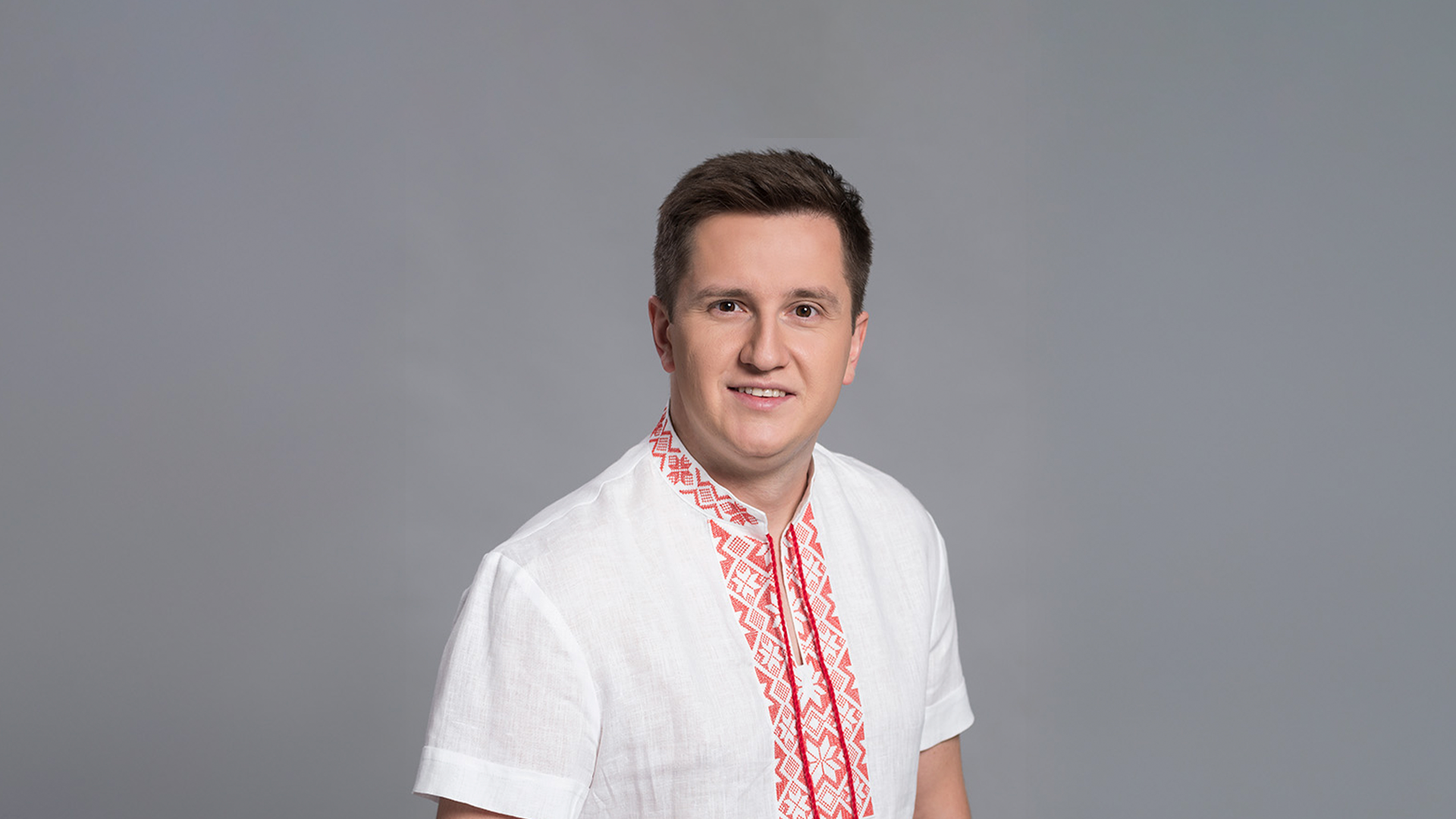
Alex Kartsel has spent 15 years scaling companies, including helping grow Bolt into its largest European market and third largest globally. After co-founding and exiting an AI-powered platform for used car dealers in 2025, he has lived the climb more than once. “The difference is rarely the idea,” he notes. “It comes down to the operational engine underneath it.” Growth is not the reward for building well. It is the test of it, and it arrives when a founder feels most successful.
Build the Machine Before You Pour in the Fuel
The expensive mistake is treating the operating model as something to fix later. Fast expansion does not grant time to repair weak processes. Every ambiguity in ownership, fragile handoff, and step that worked only because a founder was watching breaks under scale.
Build the machine first, then add fuel. When Kartsel scaled across more than 30 cities in Poland, the wins came from clean systems, clear ownership, and repeatable execution established before the expansion. A process that cannot run without the founder in the room is not a process. It is a bottleneck waiting for scale to expose it.
Let Data Override Instinct, Especially When Instinct Feels Vindicated
Instinct gets a company off the ground, but turns dangerous exactly when it feels most reliable. The founder who trusts their gut through the early wins keeps trusting it past the point where it can see. In a marketplace business, Kartsel believes that instinct only carries a company so far.
Instead, data should lead the big decisions. At Kartsel’s used-car platform, the team inspected tens of thousands of vehicles a month, and the numbers showed exactly where to double down and where to pull back. “Measure relentlessly, then act on what you see,” Kartsel states.
Both halves are equally important. Measuring without acting is useless, and acting without measuring is gut-driven guessing that scale punishes. The shift that separates leaders is the willingness to let data overrule the instinct that got them here, because no single person’s judgment scales past a certain size.
Hire Ahead of the Curve, and Step Out of the Room
The last discipline asks a founder to become less central exactly when the company leans on them most. There is a hard ceiling on what one person can personally scale, and a founder who stays in every decision becomes the limit on growth rather than its engine. At that ceiling, the job stops being personal execution and becomes building high-performing teams with real room to lead. “That’s how you turn one strong operator into an organization that keeps winning without you in every room,” Kartsel explains.
Hiring ahead of the need and empowering those people to run means letting the company outgrow its dependence on the founder. This is where the three disciplines intersect. Each one demands that a founder override the instincts that served them early. Get all three right and market leadership stops being luck. It becomes the result of how the company was built.
To learn more about scaling an early-stage company into a market leader, connect with Alex Kartsel on LinkedIn.